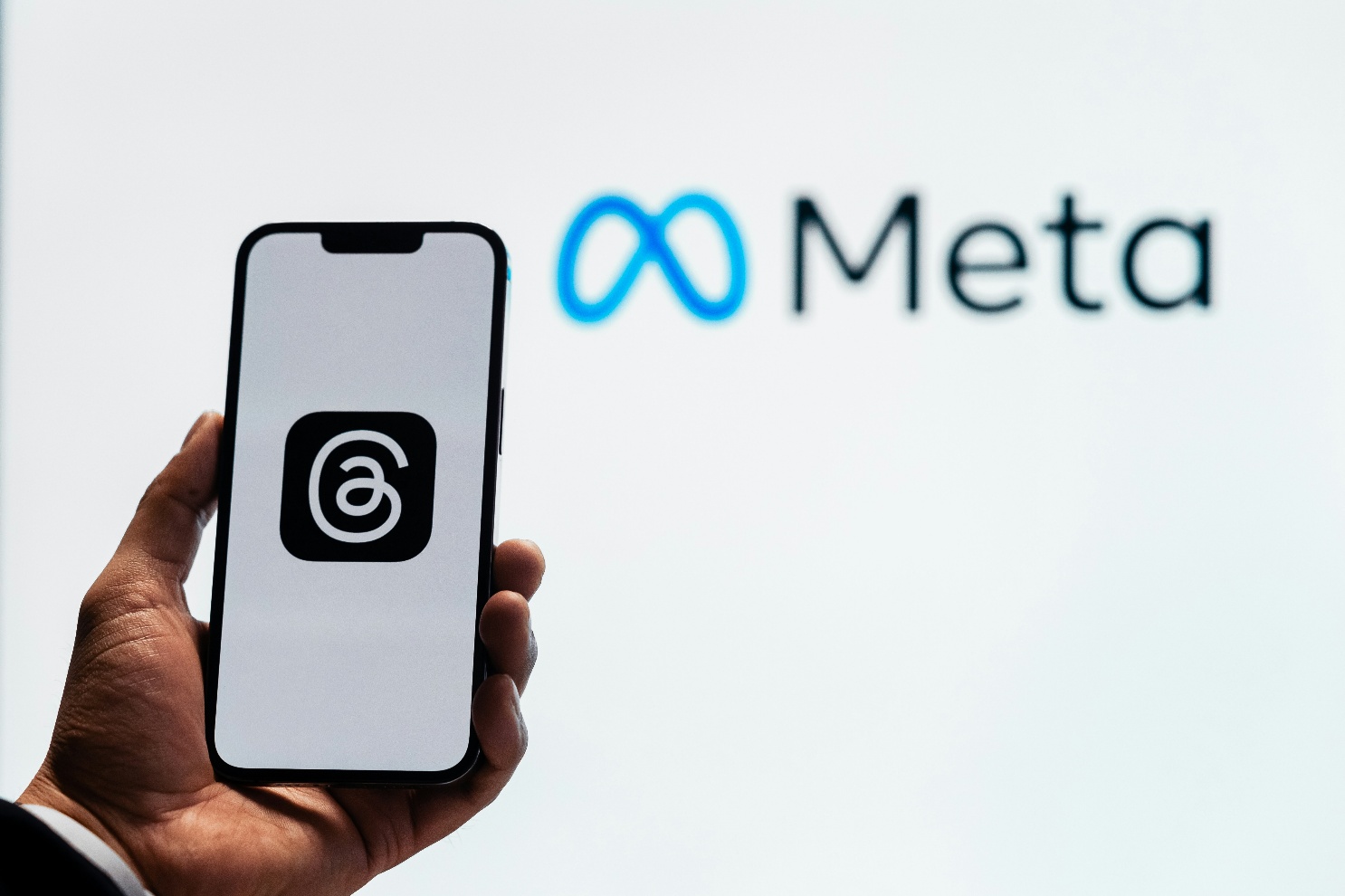
Meta agreed on August 26, 2026 to pay up to $18 billion to resolve a multistate lawsuit brought by a coalition of roughly 52 Attorneys General citing the company knowingly designed Facebook and Instagram to be addictive in ways that harmed young users' mental health. A federal judge approved the deal the same day, cutting short a trial that had opened in Oakland with CEO Mark Zuckerberg among the expected witnesses.
What the Settlement Does
Meta will pay out the settlement in annual installments over 10 years, with about 70% ($12.7 billion) going directly to participating states for youth mental-health and online-safety programs. On the platform side, Meta will implement a default two-hour daily time limit for users under 18, adjustable only by a parent, disable engagement features like visible "like" counts and certain beauty filters for minors, and submit to annual independent audits of its safety practices for five years.
Notably, roughly 30% of the payout is contingent: Meta says it will withhold that portion unless TikTok and YouTube agree to adopt similar default time limits and pay comparable sums (around $6 billion each). California Attorney General Rob Bonta, who led the case, has said states are prepared to pursue TikTok and YouTube directly if they don't come to the table voluntarily.
Why It Matters for Legislation
For lawmakers and advocates who have pushed unsuccessfully for years to pass the Kids Online Safety Act (KOSA) and similar federal bills, the settlement is being read as proof that courts and state AGs can force meaningful platform changes where Congress has stalled. Expect it to shape both tracks:
Federally: Momentum may build behind a renewed KOSA push, with supporters arguing that court-ordered or voluntary change from one company isn't a substitute for a binding, industry-wide statute. Meta itself has said it would have preferred legislation that applies equally to all competitors.
At the state level: Expect more states to pursue their own child-safety statutes and enforcement actions modeled on this case, particularly on default privacy settings, algorithmic feeds for minors, and mandatory third-party auditing, areas the settlement addresses but that advocates say shouldn't rest on one company's consent decree alone.
What to Watch
- Whether TikTok and YouTube negotiate comparable commitments.
- State legislative sessions in early 2027, where child-safety bills modeled on the settlement's terms are likely to be introduced.
- Renewed KOSA hearings or markup activity in Congress, where the settlement will likely be cited by both proponents and companies wary of a patchwork of state rules.
- How other pending suits against Meta, from individuals and school districts, are affected by the precedent this settlement sets.
Sign up for your copy of the Ascend Advantage newsletter to receive timely updates on similar issues.